What is fuels?
Refined fuels are the light and middle distillate products produced when crude oil is fractionated, cracked and treated in a refinery. Diesel (gasoil) and jet fuel sit in the middle distillate cut; gasoline is blended from lighter streams such as reformate, alkylate, isomerate and FCC naphtha; residual fuel oil is what remains at the bottom of the barrel.
Commercially, each product is defined less by chemistry than by the specification it meets. A cargo of 'diesel' is meaningless until it is tied to a standard — US ultra-low sulphur diesel under ASTM D975, European EN 590, or a national standard such as those administered by the Bureau of Standards Jamaica or the Trinidad and Tobago Bureau of Standards. Specification, origin and the testing method agreed in the contract determine price, eligibility for import and insurability.
Fuels are typically priced against published benchmarks — NYMEX/CME futures for ULSD (heating oil) and RBOB gasoline, ICE Low Sulphur Gasoil, and price-reporting agency assessments for US Gulf Coast and Caribbean cargoes — with a negotiated premium or discount reflecting quality, freight and credit.
Grades & forms
ULSD (ASTM D975 No. 2-D S15)
Ultra-low sulphur diesel for on-road and most off-road use in the US and many Caribbean markets; 15 ppm maximum sulphur.
EN 590 10 ppm
European automotive diesel standard, widely requested in Latin American and African tenders; 10 mg/kg sulphur, cetane 51 minimum.
Gasoil 0.1% / 0.5%
Higher-sulphur gasoils for power generation, marine (MGO) and industrial burners where national standards allow.
Gasoline (RBOB / CBOB / EN 228 95 RON)
Motor gasoline in regular and premium octane; blendstock grades are finished locally with ethanol where mandated.
Jet A-1 (DEF STAN 91-091 / ASTM D1655)
Kerosene-type aviation turbine fuel; strict handling, segregation and documentation (Joint Inspection Group practices) apply.
Fuel oil (ISO 8217 RMG 380 / VLSFO)
Residual fuels for marine bunkering and power; VLSFO meets the IMO 2020 0.50% sulphur cap.
Specifications
Diesel — EN 590 (key parameters)
| Parameter | Limit / value | Test method |
|---|---|---|
| Sulphur | ≤ 10 mg/kg | EN ISO 20846 / 20884 |
| Cetane number | ≥ 51.0 | EN ISO 5165 |
| Density @ 15 °C | 820 – 845 kg/m³ | EN ISO 3675 / 12185 |
| Flash point | > 55 °C | EN ISO 2719 |
| Viscosity @ 40 °C | 2.00 – 4.50 mm²/s | EN ISO 3104 |
| FAME content | ≤ 7.0 % v/v | EN 14078 |
Diesel — ASTM D975 No. 2-D S15 (key parameters)
| Parameter | Limit / value | Test method |
|---|---|---|
| Sulphur | ≤ 15 ppm | ASTM D5453 |
| Cetane number | ≥ 40 | ASTM D613 |
| Flash point | ≥ 52 °C | ASTM D93 |
| Distillation T90 | 282 – 338 °C | ASTM D86 |
| Viscosity @ 40 °C | 1.9 – 4.1 mm²/s | ASTM D445 |
Jet A-1 — selected parameters
| Parameter | Limit / value | Test method |
|---|---|---|
| Flash point | ≥ 38 °C | IP 170 / ASTM D56 |
| Freezing point | ≤ −47 °C | ASTM D5972 / IP 529 |
| Density @ 15 °C | 775 – 840 kg/m³ | ASTM D4052 |
| Total sulphur | ≤ 0.30 % m/m | ASTM D2622 |
Values summarise commonly referenced public standards for orientation only. The specification attached to the executed contract always governs.
Trade terms
- Incoterms
- FOB at the load terminal is standard for term supply; CFR/CIF to a named Caribbean or Latin American discharge port for delivered business; DAP/ex-tank for smaller parcels and in-tank transfers.
- Pricing basis
- Benchmark average (e.g. Platts USGC or NYMEX ULSD/RBOB) over an agreed pricing window around bill of lading date, plus or minus a fixed differential in US cents per gallon or US$ per metric tonne.
- Quantity
- Parcels from 5,000 MT (coastal/regional) to 30,000–60,000 MT (MR/LR1 tankers), with ±5–10% operational tolerance at seller's or vessel's option.
- Payment instruments
- Irrevocable documentary letter of credit (UCP 600) at sight or deferred, standby letter of credit (ISP98) supporting open-account terms, or cash against documents for established counterparties. Proof of funds and proof of product are exchanged only after KYC is complete.
- Inspection
- Independent quantity and quality inspection at the load port by an internationally recognised surveyor (e.g. SGS, Intertek, Bureau Veritas), with the certificate of quality and quantity forming part of the presentation documents.
- Title & risk
- Title and risk typically pass as product passes the vessel's permanent hose connection at the load port (FOB) or the discharge flange (delivered terms).
Use cases
Fuel distributors & importers
Term or spot cargoes into national import terminals, priced transparently against a public benchmark.
Power generation
Gasoil and fuel oil for utility and independent power producers where grid reliability depends on secure supply.
Mining, construction & agriculture
Bulk diesel for fleets and gensets delivered into third-party storage, with credit terms structured around project cash flows.
Aviation
Jet A-1 for into-plane suppliers and FBOs, with documentation chains that satisfy airport fuel quality regimes.
Logistics
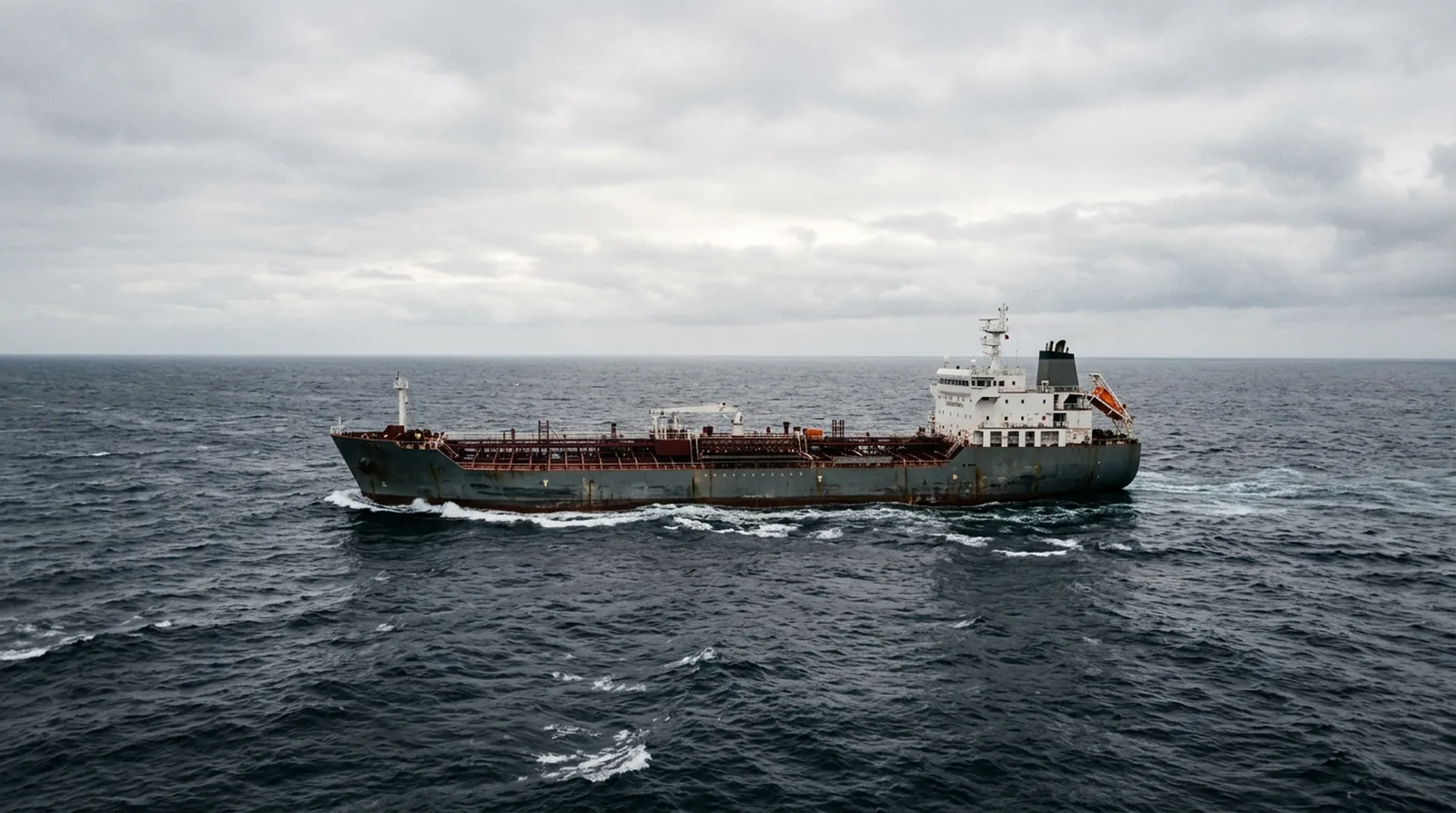
- Product tankers: General Purpose (10–25k DWT), Medium Range (25–55k DWT) and LR1 (55–80k DWT).
- Segregated tanks and line flushing are required for jet fuel; diesel and gasoline cargoes must avoid cross-contamination.
- Discharge into licensed terminal storage with customs bonded options where available.
Related services
- Feedstock & Offtake Sourcing Agreements — Term supply for processors and committed offtake for producers, with verification and documentation built to bankable standards.
- Private Credit & Insurance Wrappers — Private credit combined with credit insurance, guarantees and collateral control to bridge the gap between shipment and payment.
- Tolling Agreements — Processing capacity without owning the asset: we structure, finance and administer tolling programmes between feed owners and independent processors.
Frequently asked questions
- Do you supply EN 590 or ULSD?
- Both. The grade depends on the destination market's standard. We confirm the applicable national specification before quoting so the cargo can clear customs and quality checks at discharge.
- What is the minimum quantity?
- For waterborne cargoes, typically 5,000 MT. Smaller in-tank transfers can be arranged where a terminal operator holds suitable product.
- How is price set?
- Against a published benchmark averaged over a pricing window, plus or minus a negotiated differential reflecting quality, freight, credit and timing.
Supplier directory
Lane guides for each fuels product by city, US state and FOB port:
Diesel Suppliers
- Diesel Suppliers In Kingston, Jamaica
- Diesel Suppliers In Montego Bay, Jamaica
- Diesel Suppliers In Port of Spain, Trinidad and Tobago
- Diesel Suppliers In San Fernando, Trinidad and Tobago
- Diesel Suppliers In Santo Domingo, Dominican Republic
65 lane guides
Gasoline Suppliers
- Gasoline Suppliers In Kingston, Jamaica
- Gasoline Suppliers In Montego Bay, Jamaica
- Gasoline Suppliers In Port of Spain, Trinidad and Tobago
- Gasoline Suppliers In San Fernando, Trinidad and Tobago
- Gasoline Suppliers In Santo Domingo, Dominican Republic
65 lane guides